Washington
Yakima Valley, Washington, United States
Apple packhouse handling procedures
Wrote cleaning, handling and cooling procedures for a family-run apple packhouse and trained its seasonal crew.
Brooks Agricultural Solutions is a woman-led company. NGOs, development organisations, agribusinesses and large farms hire us to build the cold rooms, packhouses and solar-powered stores that farming communities need. We win the contract, bring in the crew, and see it built.
Trusted by
Brooks Agricultural Solutions builds the cold rooms, packhouses and solar-powered stores that keep farmers' harvests fresh. NGOs, companies and large farms hire us to do it. Elena Brooks and her team win the contract, bring in the workforce, and see every project through until it is working.
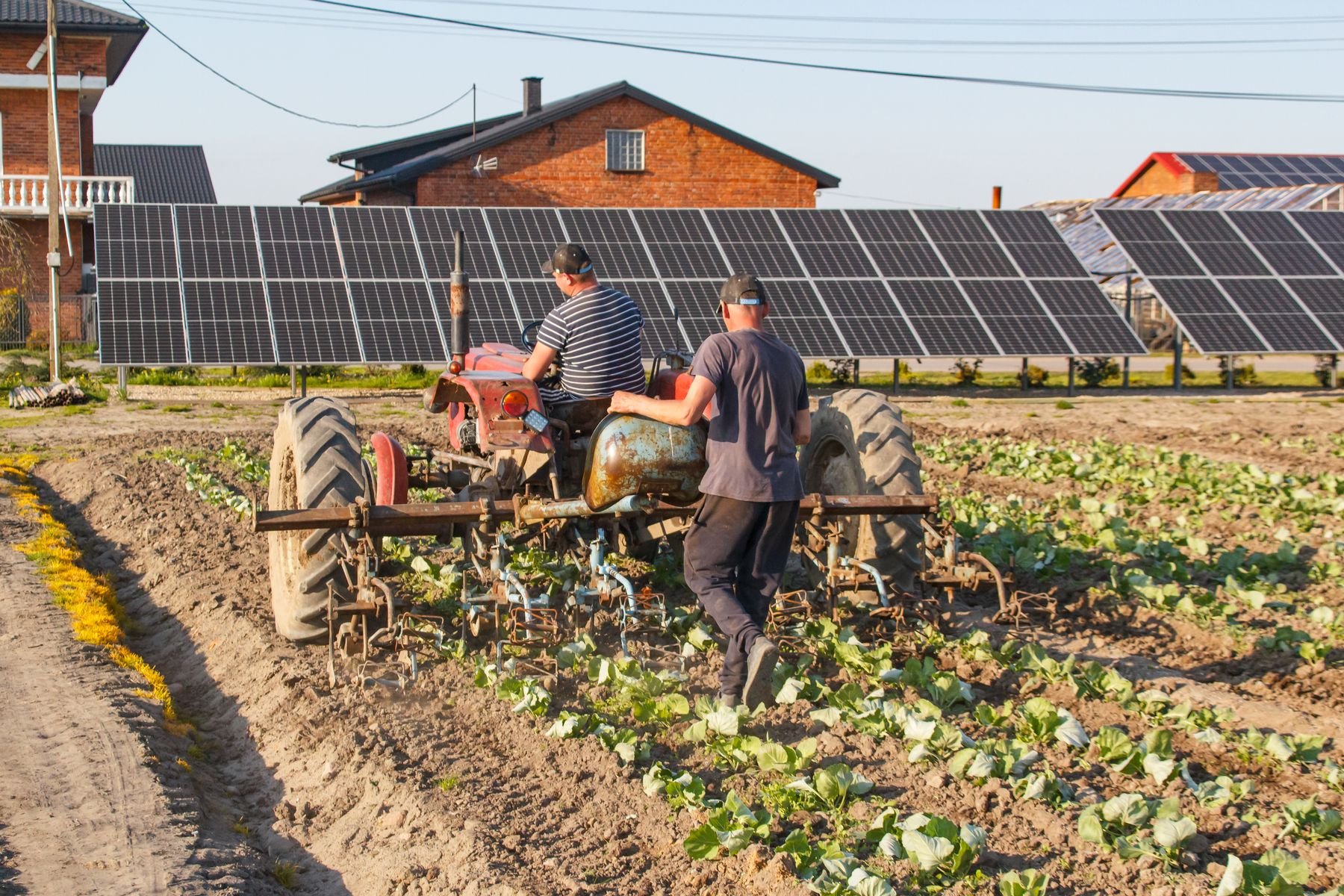
Fresh food spoils fast. Farming communities lose part of every harvest because there is nowhere cool and clean to keep it, or no way to get it to market in time. Most small farmers cannot afford to build storage on their own.
We build the missing link: cold rooms, packhouses and collection points, powered by the sun where that makes sense, so the harvest stays fresh long enough to be sold.
We win the contracts, then source and manage the workforce: builders, refrigeration and solar engineers, suppliers and trainers. We bring every project to life, from the first drawing to the day the farmers walk in.
Our clients
Small farmers rarely commission a cold room themselves: it costs too much. So the people who hire us are the organisations and businesses that want those farmers to succeed.
They fund storage for farming communities that could not afford it alone. They give us the contract; we build it and hand it over to the community.
Buyers, processors and exporters hire us to build storage for the farmers they work with. Often the company agrees with the farmers to take a small share of their sales to cover the cost. We simply deliver the build.
A few large farms and cooperatives are big enough to hire us directly, and we are glad to work with them.
Are you a small farmer? Introduce us to the organisation or company that supports you, or write to us and we will point you in the right direction. Get in touch
Services
Every project starts with a conversation about the farms we are building for, not a catalogue. Pick the part you need, or let us handle all of it.
We plan cold-storage rooms and coordinate their delivery, including solar-powered systems where the site and the load suit them.
Learn more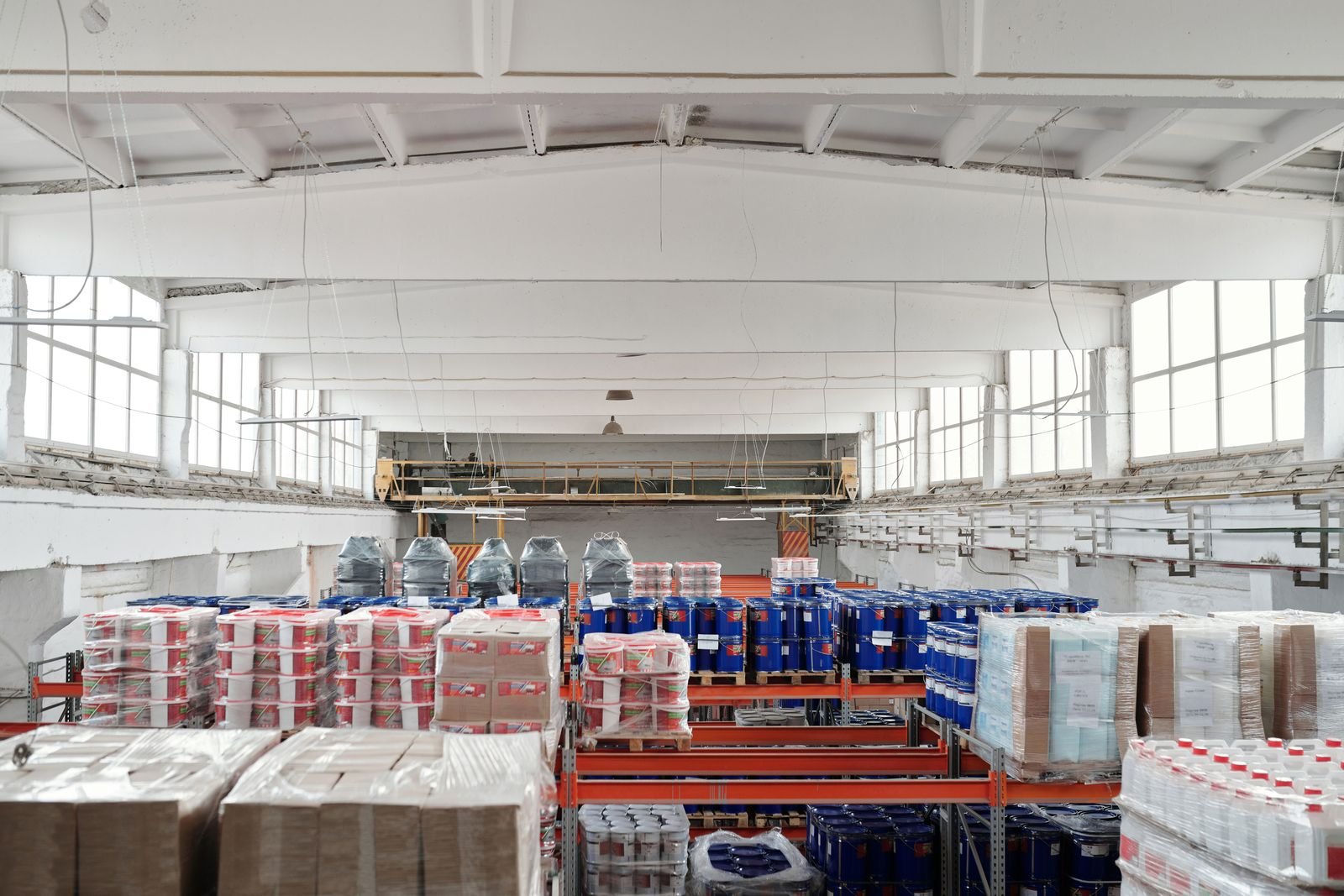
We plan and coordinate storage buildings, produce collection centres and selected small-scale processing facilities.
Learn more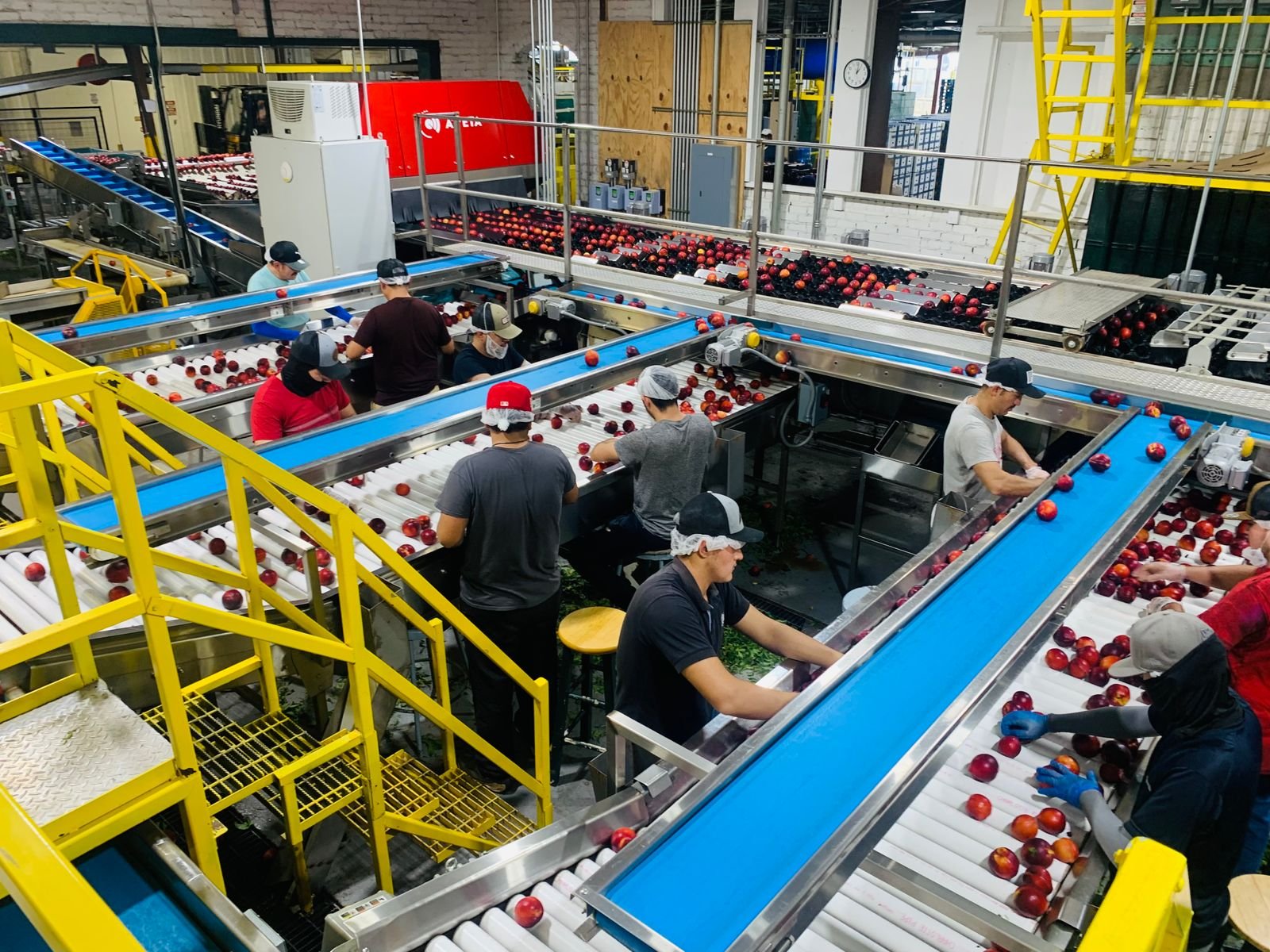
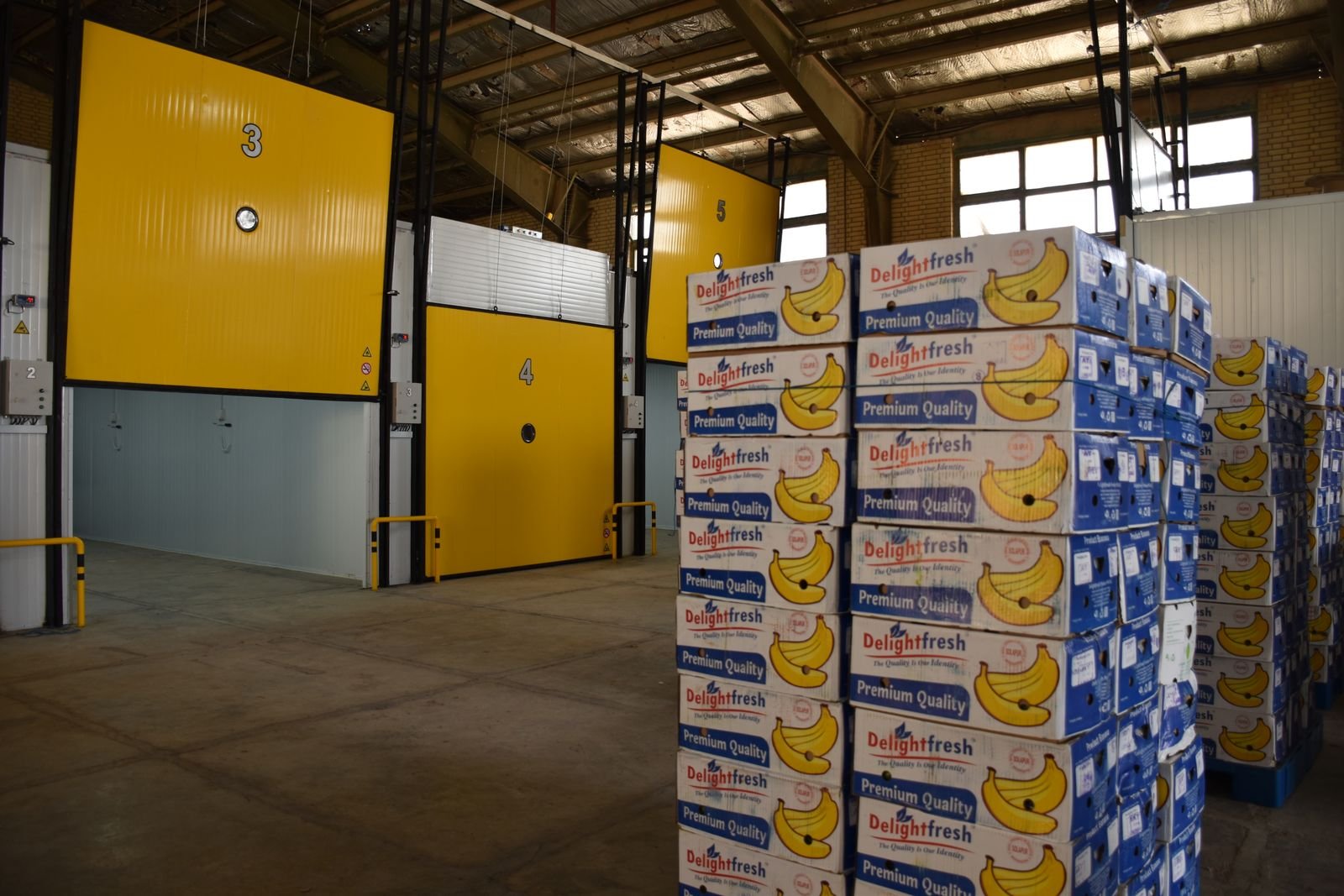
We help set up the handling routines that keep produce in good condition: how it is picked, cooled, sorted, packed and stored.
Learn more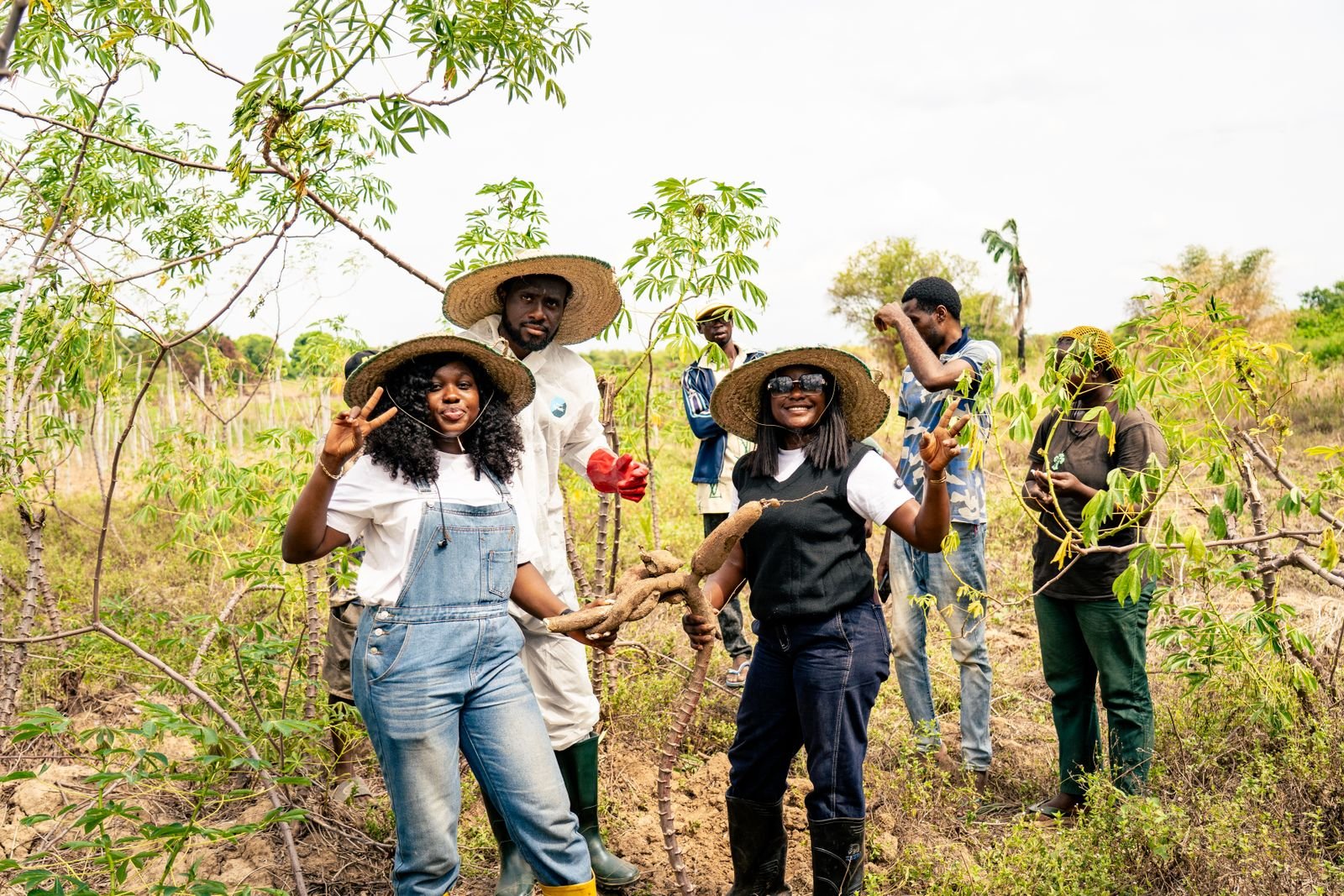
We plan how a facility will be run, write down the procedures, and train the people who will run it before we step back.
Learn more
We make introductions to potential buyers and distribution partners and help coordinate logistics.
Learn more
Solar-powered cold storage
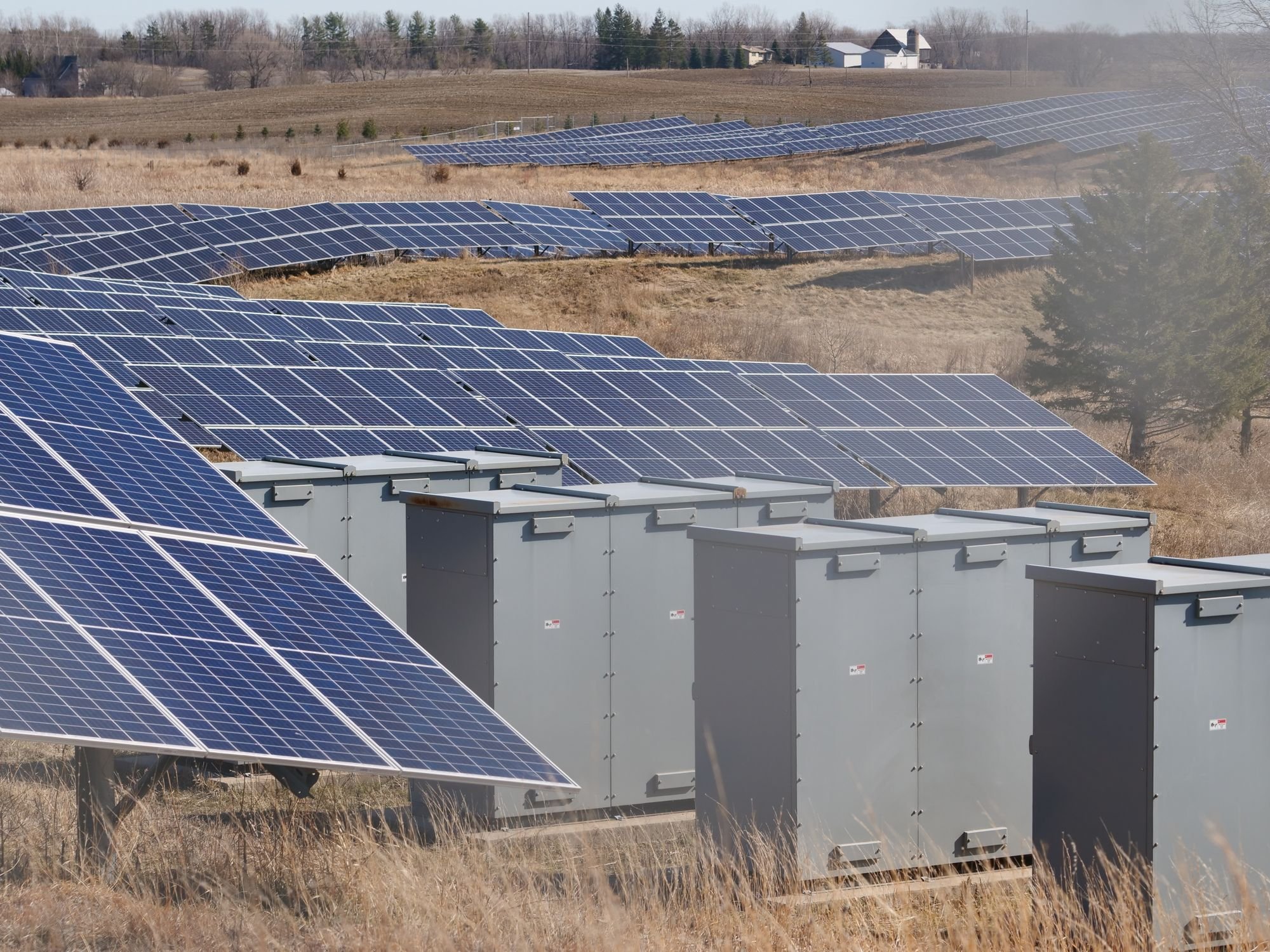
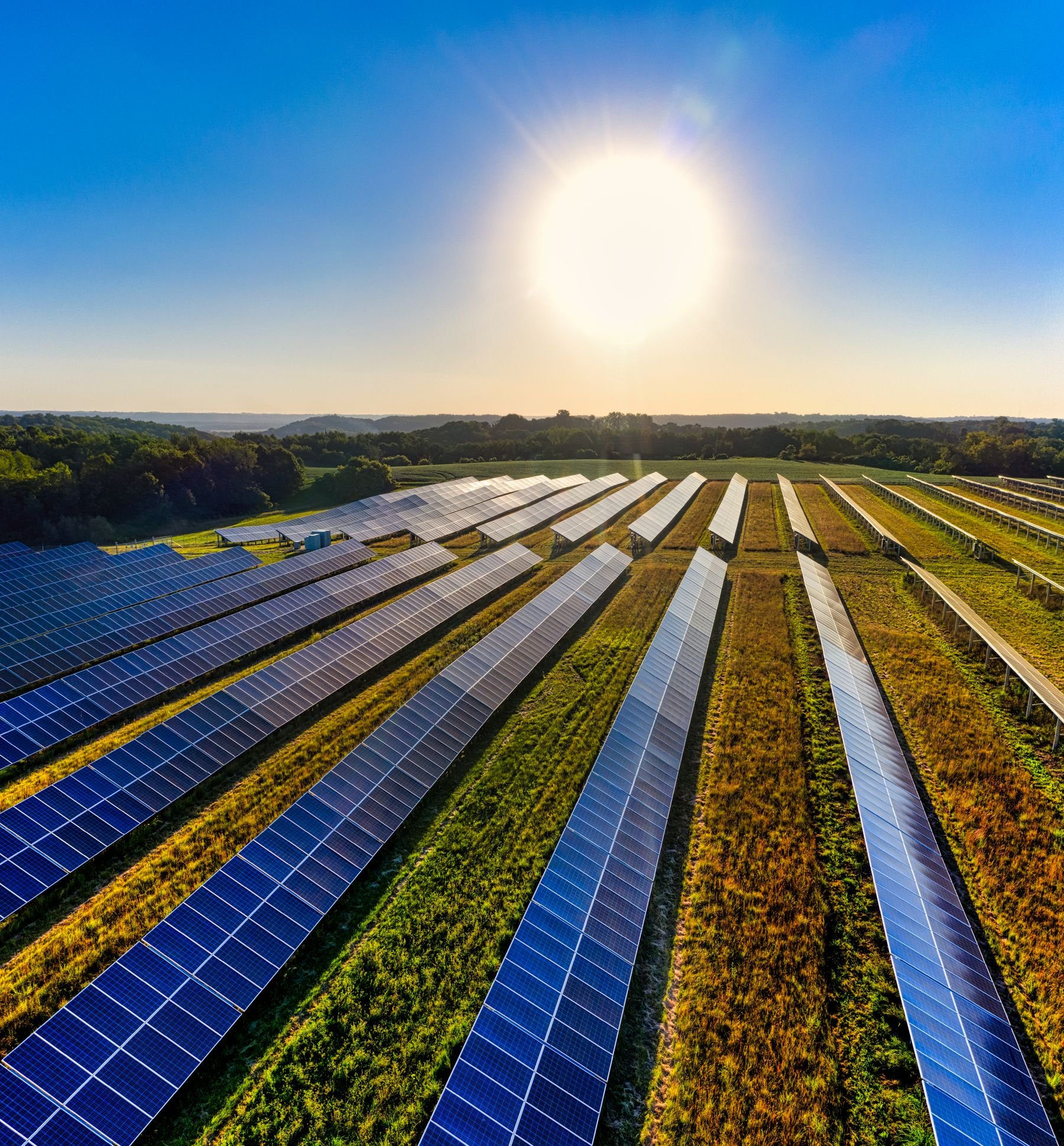
Many farms have no reliable electricity. Where the site suits it, we power the cold room with solar panels, so the harvest stays cool without a costly generator. We plan the whole system around the crop, and we bring in the specialists to build it.
Sized to what is grown: the crop, the volume and how fast it needs cooling
Solar, grid and generator options compared honestly for the site
Refrigeration and solar engineers, found and managed by us
The community's own people trained to run it, with maintenance routines written down
Our process
Five steps, the same on every job, whether it is a village collection point or a commercial packhouse.
The NGO, company or farm that hires us tells us what the farmers grow, how much, and where it sells. By call, or on site.
A layout, the right size, cooling and solar options, and a clear budget the client can decide on.
Once the client says yes, we sign the contract and source the workforce: builders, refrigeration and solar engineers, suppliers.
We run the site, the schedule and the quality checks until the work is finished.
The people who will run it are trained, the procedures are written down, and the farmers start using it.
Projects
From a village collection point to a commercial packhouse, including remote farming areas that had nowhere to keep their harvest.
Wrote cleaning, handling and cooling procedures for a family-run apple packhouse and trained its seasonal crew.
Planned a cooling shed and collection point for avocado growers in hill communities a long way from the nearest packhouse.
Coordinated the design and installation of a pack-and-cool station for a group of grape growers, with operator training before handover.
Designed a solar-assisted cold store for fruit and vegetable growers on a remote island, where produce used to wait days for the ferry.
Planned a small solar-assisted cold room and a covered collection point for a cooperative of tomato growers, and trained the cooperative's crew to run it.
Set up a small aggregation hub with cold storage so hill-country growers could sell together to regional buyers.
Coordinated cooling at source and introductions to regional buyers and a refrigerated carrier for highland vegetable growers.
Planned a solar-powered store and packing shed so island farmers could keep vegetables fresh between harvest and the inter-island boat.
Planned a cold store for a village fruit cooperative that was hours from the nearest collection point.
Built a covered collection centre with sorting and drying areas for smallholder growers in the highlands.
Testimonials
Words from the cooperatives, companies and communities we have built for.
We arrived with a rough idea and a long list of worries. We left with a clear plan for the collection point, and our own crew trained to run it.
They asked a lot of questions about how we actually pick and pack before they said anything about equipment. That made the plan easy to trust.
The handover included written procedures and time with the people who would run the building. That is not something we have always had from contractors.
Our growers are far from any packhouse. Having a cooling shed and collection point in the hills has changed how we plan the harvest.
Everything has to come by boat here. A cold store that runs on the sun means we are no longer racing the ferry timetable.
A small team that answered every call, brought the right builders, and stayed until the last checklist was signed.
Let's talk
Tell us about the project: the crop, the community or farm, and the timing. We will tell you plainly whether and how we can help, and what a sensible first step looks like.